
Vinyl siding, a versatile and durable material, has revolutionized the way we protect and beautify our homes. From its vibrant color options to its low maintenance requirements, vinyl siding offers homeowners a practical and stylish solution for their exterior needs.
Let's delve into the world of vinyl siding and explore its many benefits and considerations.
Benefits of Vinyl Siding
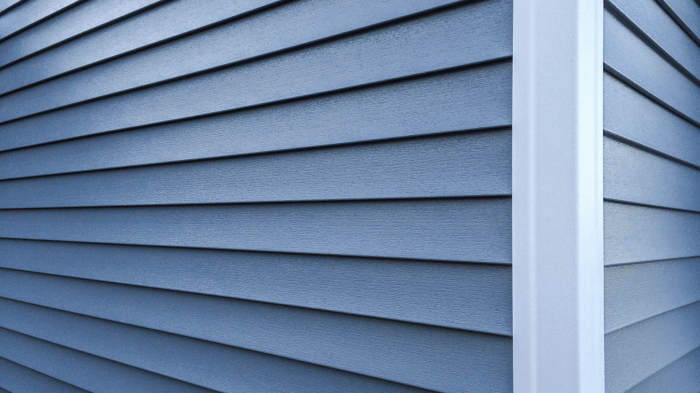
Vinyl siding offers a range of benefits that make it a popular choice for homeowners looking for a durable, low-maintenance, and customizable option for their homes.
Durability
Vinyl siding is known for its durability, making it a long-lasting option for your home's exterior. Unlike wood, vinyl siding does not rot, warp, or splinter, and it is resistant to pests such as termites. This durability means that vinyl siding can withstand harsh weather conditions, including strong winds, rain, and snow, without deteriorating over time.
Low Maintenance
One of the key advantages of vinyl siding is its low maintenance requirements. Unlike wood siding, which needs regular painting or staining to maintain its appearance, vinyl siding is virtually maintenance-free. Simply cleaning it with a mixture of water and mild detergent a few times a year is usually all that's needed to keep it looking like new.
This can save homeowners time and money on upkeep in the long run.
Color Options
Vinyl siding comes in a wide variety of colors and styles, allowing homeowners to choose the perfect option to complement their home's aesthetic. Whether you prefer a classic neutral tone or a bold, vibrant color, there is a vinyl siding option to suit every taste.
Additionally, vinyl siding is available in different textures and finishes, giving you even more customization options for your home's exterior.
Installation Process
Installing vinyl siding on a house involves several key steps to ensure a proper and durable application. It is important to follow these steps carefully to achieve the best results and protect your home.
Preparation
- Prepare the surface: Make sure the surface of the house is clean, smooth, and free of any debris or damage before starting the installation.
- Measure and plan: Measure the walls to determine the amount of siding needed and plan the layout of the panels to ensure a seamless look.
- Inspect for moisture: Check for any signs of moisture damage or leaks that need to be addressed before installing the siding.
Installation
- Install underlayment: Properly install insulation and a moisture barrier to protect the house from water damage and improve energy efficiency.
- Begin at the bottom: Start installing the siding at the bottom of the wall and work your way up, overlapping each panel to create a watertight seal.
- Cut and fit panels: Use a saw or snips to cut panels to the correct size and shape to fit around windows, doors, and corners.
- Nail securely: Secure the panels in place using nails or screws, making sure to leave room for expansion and contraction with temperature changes.
Finishing Touches
- Add trim and accessories: Install trim pieces, corner posts, and other accessories to complete the look and enhance the durability of the siding.
- Clean and inspect: Once the siding is installed, clean the surface and inspect for any areas that may need touch-ups or adjustments.
Cost Comparison
When considering siding options for your home, it is important to weigh the costs associated with each material
Long-term Cost Savings
One of the key advantages of vinyl siding is its long-term cost savings. While the initial installation cost may be lower than other materials, vinyl siding requires minimal maintenance over the years. Unlike wood siding that may need repainting or fiber cement that can chip and crack, vinyl siding is durable and resistant to rot, pests, and weather damage.
This means you can save on maintenance and repair costs in the long run.
Factors Affecting Cost
- The size of your home: Larger homes will naturally require more materials, increasing the overall cost of vinyl siding installation.
- Quality of the vinyl siding: Higher quality vinyl siding may come at a higher price, but it can offer better durability and aesthetic appeal.
- Additional features: Factors like insulation, trim work, and labor costs can impact the total cost of vinyl siding installation.
- Location: Labor costs and material prices can vary depending on your geographical location, affecting the overall cost of the project.
Environmental Impact
Vinyl siding production and disposal can have both positive and negative impacts on the environment. While the manufacturing process of vinyl siding does require energy and resources, it is relatively efficient compared to other building materials. Vinyl siding is also known for its durability, which can reduce the need for frequent replacements and lessen overall environmental impact.
Eco-friendliness of Vinyl Siding Production
- Vinyl siding production involves the use of PVC (polyvinyl chloride), which is a type of plastic. The production of PVC does release certain chemicals into the environment, but advancements in technology have allowed for more sustainable practices.
- Some vinyl siding manufacturers are implementing sustainable practices such as recycling post-consumer vinyl to create new siding products. This helps reduce waste and the need for new raw materials.
- Energy-efficient manufacturing processes are being adopted by some companies to minimize the carbon footprint of vinyl siding production.
Recyclability and Energy Efficiency
- Vinyl siding is recyclable, which means that old siding can be repurposed into new products, reducing the amount of waste sent to landfills.
- Energy efficiency is another key benefit of vinyl siding, as it can help improve the insulation of homes, reducing the need for excessive heating or cooling. This can lead to lower energy consumption and reduced greenhouse gas emissions.
- Proper disposal of vinyl siding is essential to ensure that it is recycled or managed in an environmentally responsible manner, preventing pollution and harm to ecosystems.
Summary
As we wrap up our exploration of vinyl siding, it's clear that this material is more than just a protective layer for homes—it's a versatile and eco-friendly choice that offers long-term benefits. Whether you're drawn to its durability, cost-effectiveness, or aesthetic appeal, vinyl siding stands out as a top contender in the world of exterior cladding.
Make the switch to vinyl siding and elevate your home's curb appeal while enjoying peace of mind for years to come.
Popular Questions
Is vinyl siding more durable than other materials?
Yes, vinyl siding is known for its durability and ability to withstand various weather conditions without warping or fading.
What are the typical maintenance requirements for vinyl siding?
Vinyl siding is low maintenance and usually requires occasional cleaning with soap and water to keep it looking fresh.
How does the cost of vinyl siding compare to wood or fiber cement?
Vinyl siding is typically more affordable than wood or fiber cement siding, making it a cost-effective choice for homeowners.
Is vinyl siding environmentally friendly?
Vinyl siding has come a long way in terms of eco-friendliness, with many manufacturers implementing sustainable practices and improving recyclability.