

Embark on a journey through the world of maritime design, delving into its importance, key elements, historical evolution, and sustainability practices. This guide offers a unique perspective on how maritime design shapes the vessels we see today.
From the significance of maritime design in shipbuilding to the innovative features found in modern vessels, this exploration will provide a deeper understanding of the intricate processes involved in creating efficient and sustainable maritime structures.
Importance of Maritime Design
Maritime design plays a crucial role in the process of shipbuilding, impacting various aspects of vessel performance and functionality. It involves the intricate planning and execution of the structural and aesthetic elements of a watercraft, ensuring efficiency, safety, and seaworthiness.
Key Factors Influencing Maritime Design
- The intended purpose of the vessel, whether it is for commercial shipping, naval operations, research, or leisure, dictates the design requirements.
- Regulatory standards and classification rules set by maritime authorities must be adhered to in the design phase to ensure compliance and safety.
- Technological advancements and innovations in materials, propulsion systems, and navigation equipment influence design decisions to enhance performance and sustainability.
- Environmental considerations, such as fuel efficiency, emissions reduction, and ecological impact, are crucial factors in modern maritime design to promote sustainability.
Impact of Maritime Design on Vessel Performance
- Efficient hull and propulsion system designs can optimize speed, fuel consumption, and maneuverability, affecting the overall performance of the vessel.
- Ergonomic and interior layout designs contribute to crew comfort, safety, and productivity during long voyages or missions.
- Structural integrity and stability designs ensure the vessel can withstand various sea conditions and external forces, enhancing safety and seaworthiness.
- Aesthetic and branding elements incorporated into the design can enhance the market appeal and value of the vessel, attracting customers and investors.
Elements of Maritime Design

Maritime design encompasses various elements that are crucial in creating efficient and effective vessels. These elements contribute to the overall performance, safety, and aesthetics of maritime structures.
1. Hull Design
The hull design of a vessel plays a significant role in its stability, speed, and fuel efficiency. Innovative hull designs, such as catamarans and trimarans, have been developed to enhance performance and reduce fuel consumption.
2. Propulsion Systems
The propulsion system is a key element in maritime design, determining how the vessel moves through water. Modern vessels often feature advanced propulsion systems like azimuth thrusters and podded propulsors for improved maneuverability and efficiency.
3. Materials Selection
The choice of materials in maritime design is crucial for ensuring durability, strength, and corrosion resistance. Materials like aluminum alloys, composites, and advanced polymers are commonly used in modern vessels to optimize performance and longevity.
Historical Evolution of Maritime Design
Maritime design has a rich history that has evolved significantly over time, influenced by various factors such as technological advancements and historical events.
Traditional Maritime Design
In the early days, maritime design was primarily focused on functionality and practicality. Ships were designed to withstand the harsh conditions of the sea while carrying cargo and passengers efficiently.
Transition to Modern Maritime Design
With the Industrial Revolution and advancements in engineering and materials, maritime design underwent a significant transformation. Ships became larger, faster, and more technologically advanced, incorporating innovations such as steam engines and metal hulls.
Impact of Technological Advancements
The development of diesel engines, propellers, and navigational systems revolutionized maritime design, allowing for greater speed, efficiency, and safety on the open seas. Modern ships are equipped with state-of-the-art technology to enhance navigation, communication, and safety measures.
Historical Events Shaping Maritime Design
Events such as World War I and World War II played a crucial role in shaping maritime design trends. The need for faster, more agile ships during wartime led to the development of new technologies and design concepts that continue to influence modern shipbuilding practices.
Contemporary Maritime Design
Today, maritime design continues to evolve with a focus on sustainability, energy efficiency, and reducing environmental impact. Designs are incorporating renewable energy sources, improved hull designs, and advanced propulsion systems to create more eco-friendly vessels for the future.
Sustainability in Maritime Design
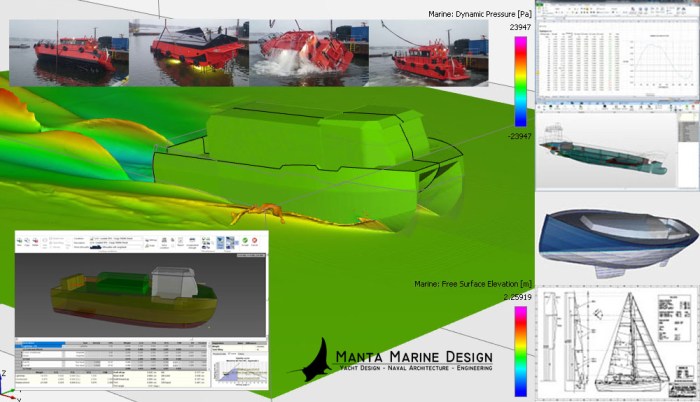
When it comes to maritime design, sustainability plays a crucial role in ensuring the longevity and environmental friendliness of vessels and maritime structures. By incorporating eco-friendly practices and materials, designers can reduce the environmental impact of their creations and contribute to a more sustainable future for the maritime industry.
Eco-friendly Practices and Materials
One of the key aspects of sustainable maritime design is the use of eco-friendly practices and materials. This can include the incorporation of renewable energy sources such as solar or wind power, the implementation of energy-efficient technologies, and the use of recyclable or biodegradable materials in construction.
- Utilizing lightweight materials to reduce fuel consumption and emissions.
- Implementing ballast water treatment systems to prevent the spread of invasive species.
- Designing vessels with streamlined hull shapes for improved fuel efficiency.
Challenges and Opportunities
Integrating sustainability into maritime design processes comes with its own set of challenges and opportunities. While there may be initial costs associated with adopting sustainable practices, the long-term benefits in terms of reduced environmental impact and operational costs can outweigh these challenges.
- Challenges:
- Finding cost-effective eco-friendly materials without compromising on performance.
- Adapting existing designs to meet sustainability standards.
- Ensuring compliance with stringent environmental regulations.
- Opportunities:
- Gaining a competitive edge by promoting environmentally conscious design practices.
- Attracting environmentally conscious clients and investors.
- Driving innovation in the development of sustainable maritime technologies.
Wrap-Up
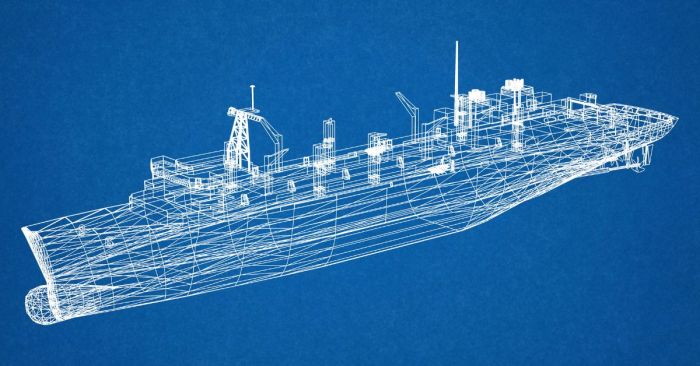
As we conclude our exploration of maritime design, we reflect on the rich history, technological advancements, and sustainability efforts that have shaped this field. With a focus on the future, the possibilities for enhancing vessel performance and environmental impact through thoughtful design choices are endless.
FAQ Guide
What factors influence maritime design decisions?
Maritime design decisions are influenced by factors such as safety regulations, operational requirements, cost considerations, and aesthetic preferences.
How has maritime design evolved over time?
Maritime design has evolved from traditional practices to incorporate modern technologies, advanced materials, and sustainable approaches to meet the changing demands of the industry.
What are some eco-friendly practices in sustainable maritime design?
Eco-friendly practices in sustainable maritime design include using renewable materials, optimizing energy efficiency, reducing emissions, and implementing waste management strategies.