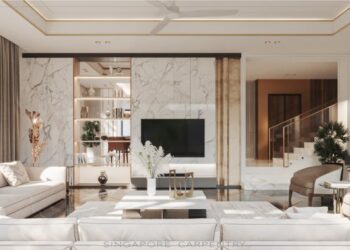

As luxury interiors take center stage, this opening passage beckons readers into a world crafted with good knowledge, ensuring a reading experience that is both absorbing and distinctly original. From defining luxury interiors to exploring color schemes and technology integration, this article delves deep into the realm of opulence and style.
Luxury Interiors
Luxury interiors are characterized by opulence, elegance, and sophistication. These spaces often feature high-end materials, exquisite craftsmanship, and a focus on creating a lavish and exclusive atmosphere.Details play a crucial role in luxury interior design, as they add a sense of refinement and exclusivity to the space.
From intricate moldings and embellishments to luxurious fabrics and finishes, every element is carefully curated to enhance the overall aesthetic and create a sense of luxury.Luxury interiors differ from traditional or contemporary designs in several ways. While traditional interiors focus on classic and timeless elements, luxury interiors often incorporate modern touches and cutting-edge technology.
On the other hand, contemporary designs prioritize simplicity and minimalism, while luxury interiors embrace ornate decor and extravagant features to create a sense of grandeur and indulgence.
Materials and Finishes
Luxury interiors are often characterized by the use of high-quality materials and finishes that exude elegance and sophistication. These elements play a crucial role in elevating the overall aesthetic of a space and creating a luxurious ambiance.
Common Materials Used in Luxury Interiors
Materials commonly found in luxury interiors include:
- Marble: Known for its timeless beauty and luxurious appeal, marble is often used for flooring, countertops, and accent pieces.
- Wood: High-quality wood such as mahogany, walnut, and oak are popular choices for furniture and flooring in luxury interiors.
- Crystal: Crystal chandeliers and decorative pieces add a touch of glamour and opulence to luxury spaces.
- Velvet: Velvet upholstery and drapery fabrics are favored for their plush texture and rich appearance.
- Gold and Silver: Metallic accents in gold or silver finishes are commonly used to add a touch of luxury and sophistication to interiors.
Significance of High-Quality Finishes
High-quality finishes are essential in creating a luxurious ambiance as they enhance the visual appeal and tactile experience of a space. Finishes such as lacquer, high-gloss paint, and metallic leaf detailing add a sense of refinement and elegance to surfaces.
Types of Finishes in Luxury Interior Design
Some common types of finishes used in luxury interior design include:
- High-Gloss: Reflective and shiny, high-gloss finishes create a sleek and modern look.
- Matte: Matte finishes have a soft, non-reflective appearance that adds a sense of depth and warmth to surfaces.
- Textured: Textured finishes such as faux finishes, stucco, or embossed wallpapers add a tactile element to interiors, creating visual interest.
- Metallic: Metallic finishes like gold leaf or silver leaf bring a touch of glamour and sophistication to surfaces.
Color Schemes
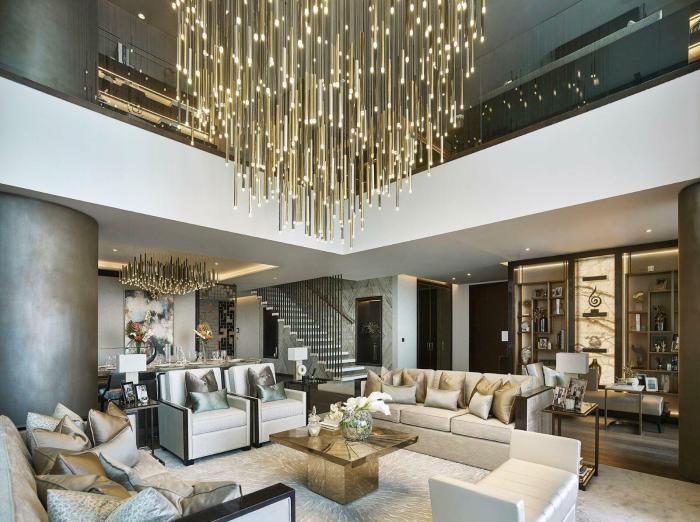
Color schemes play a crucial role in luxury interior design, setting the tone and style of a space. The right combination of colors can elevate the overall aesthetic and create a sense of harmony and sophistication. In luxury interiors, color choices are often influenced by trends, personal preferences, and the desired ambiance of the space.
Popular Color Schemes in Luxury Interiors
In luxury interior design, neutral colors such as white, cream, beige, and grey are commonly used as a base to create a sense of elegance and luxury. These neutral tones provide a versatile backdrop that allows for the incorporation of bold accent colors or metallic finishes for a touch of glamour.
Additionally, rich jewel tones like emerald green, sapphire blue, and amethyst purple are popular choices for adding opulence and drama to luxury spaces.
Color Psychology in Luxury Interior Design
Color psychology plays a significant role in the choice of colors for luxury interiors. For example, warm tones like red, orange, and yellow are often associated with energy, passion, and creativity, making them suitable for spaces where social interaction and entertainment are key.
On the other hand, cool tones like blue, green, and purple evoke feelings of calmness, serenity, and sophistication, making them ideal for bedrooms or spa-like bathrooms.
Using Colors to Evoke Different Moods
Colors can be used strategically to evoke different moods and atmospheres in a luxury space. For instance, a monochromatic color scheme using varying shades of the same color can create a sense of harmony and tranquility. On the other hand, contrasting colors like black and white can add a modern and sophisticated touch to a space.
By carefully selecting and combining colors, designers can tailor the mood of a luxury interior to reflect the desired ambiance, whether it be cozy and inviting or sleek and contemporary.
Furniture and Decor
When it comes to luxury interiors, furniture and decor play a crucial role in elevating the overall design and creating a sense of opulence and sophistication
Selecting Statement Pieces
In luxury interior decor, selecting statement pieces is key to making a bold and impactful design statement. These pieces often serve as focal points in a room, drawing the eye and setting the tone for the entire space. From oversized chandeliers to intricately designed sofas, statement pieces add a touch of glamour and luxury that can elevate the overall aesthetic.
Incorporating Art and Decor Elements
To enhance the luxurious feel of a space, incorporating art and decor elements is essential. Artwork, sculptures, and decorative accents can add a layer of sophistication and personality to a room, creating a refined and elegant atmosphere. When selecting art and decor pieces, opt for high-quality materials, unique designs, and complementary colors that harmonize with the overall design scheme.
Lighting Design
Lighting plays a crucial role in creating a luxurious atmosphere in interior design. It has the power to enhance the overall aesthetic appeal of a space, highlight key features, and set the mood.
Types of Lighting Fixtures
There are several types of lighting fixtures commonly used in luxury interior design, each serving a specific purpose:
- Chandeliers: Known for their grandeur and elegance, chandeliers are often used as statement pieces in luxury interiors.
- Wall Sconces: These fixtures provide ambient lighting and can add a touch of sophistication to the walls.
- Recessed Lighting: Also known as can lights, these fixtures are discreet and provide a clean, modern look to the space.
- Pendant Lights: Perfect for creating a focal point or task lighting, pendant lights come in a variety of styles and designs.
Layered Lighting Schemes
Creating a layered lighting scheme is essential in luxury interiors to achieve a balance between ambient, task, and accent lighting. Here are some guidelines to follow:
- Start with ambient lighting to provide overall illumination to the space.
- Incorporate task lighting in areas where specific activities take place, such as reading nooks or kitchen islands.
- Add accent lighting to highlight architectural features, artwork, or other focal points in the room.
- Consider the use of dimmer switches to control the intensity of light and create different moods in the space.
Technology Integration
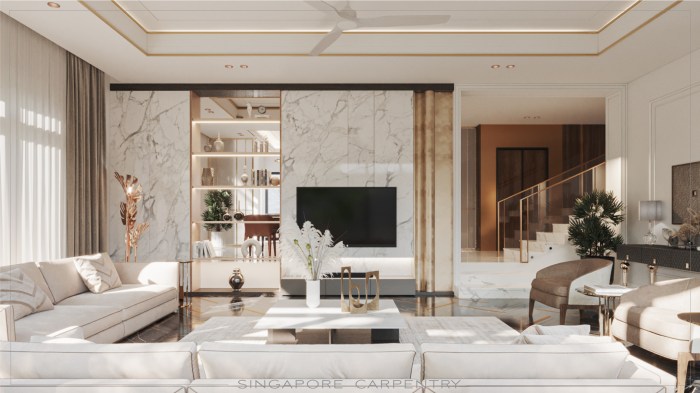
In luxury interior design, the integration of smart home technology plays a crucial role in enhancing the overall experience and functionality of modern interiors. Automation and control systems are seamlessly incorporated to provide convenience, efficiency, and a touch of sophistication to luxury homes.
Smart Home Automation
Smart home automation allows for the seamless control of various systems and devices within a luxury home. From lighting and temperature to security and entertainment, homeowners can easily manage and monitor their living spaces with just a few taps on their smartphones or voice commands.
Innovative Technologies
One innovative way technology is integrated into luxury homes is through the use of intelligent mirrors. These mirrors are equipped with built-in displays that can provide information such as weather updates, news headlines, and even function as touchscreens for controlling other smart devices in the home.
Integrated Sound Systems
Another example of technology integration in luxury interiors is the incorporation of integrated sound systems. High-end audio solutions seamlessly blend into the design of the space, delivering immersive sound experiences without compromising the aesthetics of the room.
Final Wrap-Up
In conclusion, luxury interiors offer a unique blend of elegance and comfort, where every detail contributes to a lavish ambiance. By focusing on materials, color schemes, furniture, lighting, and technology, one can create a truly luxurious living space that reflects sophistication and refinement.
Dive into the world of luxury interiors and elevate your home with a touch of opulence.
Common Queries
What elements typically characterize luxury interiors?
Luxury interiors are characterized by high-quality materials, attention to detail, and a sense of opulence and sophistication.
How do color schemes impact the overall aesthetic of luxury interiors?
Color schemes play a crucial role in setting the tone and mood of a luxury space, influencing its overall aesthetic and ambiance.
Why is lighting design important in luxury interiors?
Lighting design is essential in creating a luxurious atmosphere, enhancing the beauty of materials and finishes while adding depth and dimension to the space.