
Exploring the realm of rental income opens up a world of possibilities for property owners seeking to maximize their earnings. From understanding different types of rental income to implementing strategies for growth, this topic delves into the intricacies of generating income from properties.
Whether you're a seasoned investor or a novice in the real estate market, the insights shared in this discussion will shed light on the importance of rental income and how you can make the most of it.
What is Rental Income?
Rental income refers to the money earned by property owners from leasing out their real estate properties to tenants. This income is a crucial source of revenue for landlords and property owners, contributing to their overall cash flow and return on investment.
Generating Rental Income
Rental income is generated when tenants pay regular rental payments to the property owner in exchange for the right to occupy and use the property. The amount of rental income can vary depending on factors such as the location of the property, market demand, property size, amenities, and rental market trends.
- Property owners can set the rental amount based on market rates and the value of their property.
- Lease agreements Artikel the terms and conditions of the rental, including rent amount, payment schedule, and responsibilities of both parties.
- Rental income can be a stable source of cash flow if properties are well-maintained and attract reliable tenants.
Importance of Rental Income
Rental income plays a vital role in the financial success of property owners by providing a steady stream of revenue that can cover mortgage payments, property maintenance costs, and generate profit. It allows property owners to build equity in their properties over time and potentially increase their wealth through real estate investments.
Rental income is a key component of passive income for property owners, offering financial stability and long-term growth potential.
Types of Rental Income
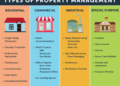
When it comes to rental income, there are various sources that individuals can tap into to generate revenue. Let's explore the different types of rental income sources and compare short-term versus long-term rental strategies.
Residential Rental Income
Residential rental income involves renting out properties to individuals or families for residential purposes. This can include single-family homes, apartments, condos, or townhouses. Landlords can benefit from steady monthly rental payments and potential property appreciation over time.
Commercial Rental Income
Commercial rental income involves leasing out properties to businesses for commercial purposes. This can include office spaces, retail stores, warehouses, or industrial buildings. Commercial properties often yield higher rental income but may require longer lease terms and more maintenance.
Vacation Rental Income
Vacation rental income involves renting out properties on a short-term basis to travelers or vacationers. This can include vacation homes, Airbnb rentals, or beach houses. While vacation rentals can generate higher income per night, they may require more frequent management and maintenance.
Passive Rental Income Streams
Passive rental income streams refer to rental properties that require minimal effort or time from the landlord. This can include hiring property management companies to handle day-to-day operations, such as tenant screening, rent collection, and maintenance. Passive rental income allows landlords to earn money without actively managing the property.Overall, the choice between short-term and long-term rental strategies depends on factors like location, property type, and personal preferences.
Each type of rental income source offers unique advantages and considerations for landlords looking to generate income from their properties.
Maximizing Rental Income
Maximizing rental income is essential for property owners looking to increase their profits. By implementing the right strategies and making smart decisions, landlords can boost their rental income potential significantly.
Property Location Impact
The location of a rental property plays a crucial role in determining its rental income potential. Properties located in high-demand areas with good access to amenities, transportation, schools, and job opportunities tend to command higher rents. Investing in properties in desirable locations can help maximize rental income.
Property Improvements for Increased Income
Property improvements can have a direct impact on rental income potential. Upgrading features such as kitchens, bathrooms, flooring, and appliances can attract higher-paying tenants and justify higher rental rates. Additionally, investing in energy-efficient upgrades can help reduce operating costs and increase overall profitability.
Tax Implications of Rental Income
When it comes to rental income, understanding the tax implications is crucial for landlords. Rental income is considered taxable by the IRS and must be reported on your tax return
Taxation of Rental Income
Rental income is typically taxed as ordinary income at your marginal tax rate. This means that the income you earn from renting out property is subject to the same tax rates as your other sources of income. It's important to report all rental income on your tax return to avoid penalties or legal consequences.
Deductions and Expenses
Landlords can deduct certain expenses related to their rental property to offset rental income and lower their tax liability. Common deductions include mortgage interest, property taxes, insurance, repairs and maintenance, utilities, and depreciation. Keeping track of these expenses and maintaining accurate records is essential for claiming deductions and minimizing taxes.
Importance of Record-Keeping
Accurate record-keeping is crucial for landlords to substantiate their rental income and expenses in case of an audit by the IRS. Maintaining detailed records of rental income, expenses, repairs, and improvements can help you accurately report your taxes and claim all eligible deductions.
Using accounting software or hiring a professional accountant can streamline the record-keeping process and ensure compliance with tax laws.
Rental Income Management

Effective management of rental income is crucial for maximizing profitability and ensuring the smooth operation of rental properties. Here are some tips for efficient rental income management:
Role of Property Managers
Property managers play a key role in maximizing rental income by handling day-to-day operations, tenant relations, and property maintenance. They can help ensure timely rent collection, enforce lease agreements, and address any issues that may arise promptly.
Best Practices for Dealing with Rental Income Fluctuations
1. Build a financial buffer
Set aside a portion of your rental income as a reserve to cover any unexpected expenses or periods of vacancy.
2. Diversify your rental portfolio
Owning properties in different locations or markets can help mitigate the impact of fluctuations in rental income.
3. Implement cost-saving measures
Look for ways to reduce operating expenses without compromising the quality of your rental properties.
4. Adjust rental rates strategically
Keep an eye on market trends and adjust rental rates accordingly to stay competitive and maximize income.
5. Maintain open communication with tenants
Establishing good communication with tenants can help prevent disputes and ensure consistent rent payments.
Ultimate Conclusion
In conclusion, rental income serves as a cornerstone for property owners looking to build wealth and financial stability through real estate investments. By optimizing your rental income sources and staying informed about tax implications, you can pave the way for a lucrative and sustainable income stream.
Stay tuned for more tips and strategies to enhance your rental income potential!
Expert Answers
How is rental income taxed?
Rental income is typically taxed as regular income, subject to your applicable tax bracket. It's important to report your rental income accurately to comply with tax regulations.
What are passive rental income streams?
Passive rental income streams refer to earnings generated from rental properties where minimal effort is required from the property owner. Examples include rental properties managed by third-party companies or using online platforms for short-term rentals.
How can property improvements boost rental income potential?
Property improvements such as renovations, upgrades, or enhancing amenities can make your rental property more attractive to tenants. This can justify higher rental rates and increase your overall rental income.