
Embark on a journey through the world of luxury furniture, where opulence meets functionality in a seamless blend of craftsmanship and design. From the rich history of iconic pieces to the latest trends shaping the industry, this guide offers a comprehensive look at the allure of luxury furnishings.
Explore the characteristics, materials, and trends that define luxury furniture, and uncover the secrets behind transforming any space into a sophisticated sanctuary of comfort and beauty.
Overview of Luxury Furniture
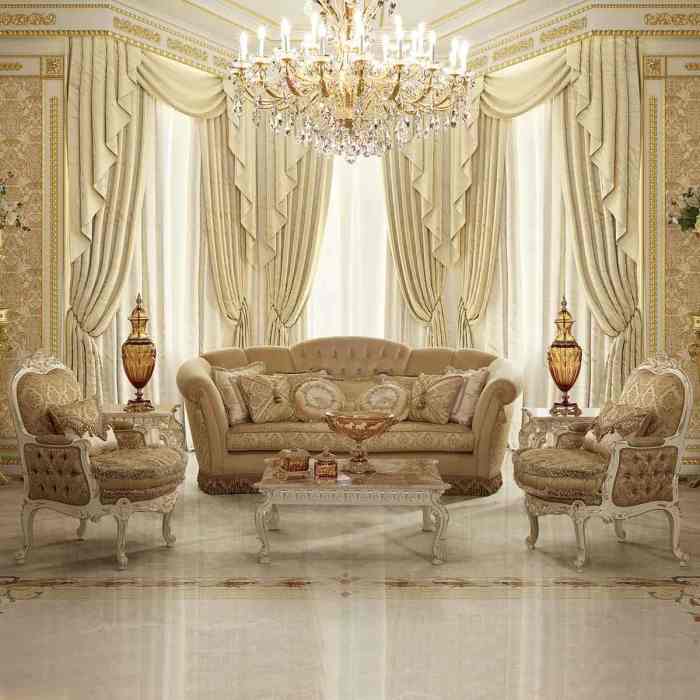
Luxury furniture is known for its high-quality materials, exquisite craftsmanship, and timeless design. These pieces are often handcrafted by skilled artisans and are made to last for generations.
Materials Used in Luxury Furniture
Luxury furniture is commonly made from high-end materials such as solid wood, leather, metal, and marble. These materials are carefully selected for their durability, beauty, and unique characteristics.
Craftsmanship in Luxury Furniture
Creating luxury furniture involves intricate craftsmanship that requires attention to detail and precision. Artisans use traditional techniques combined with modern technology to produce furniture pieces that are both functional and aesthetically pleasing.
Types of Luxury Furniture
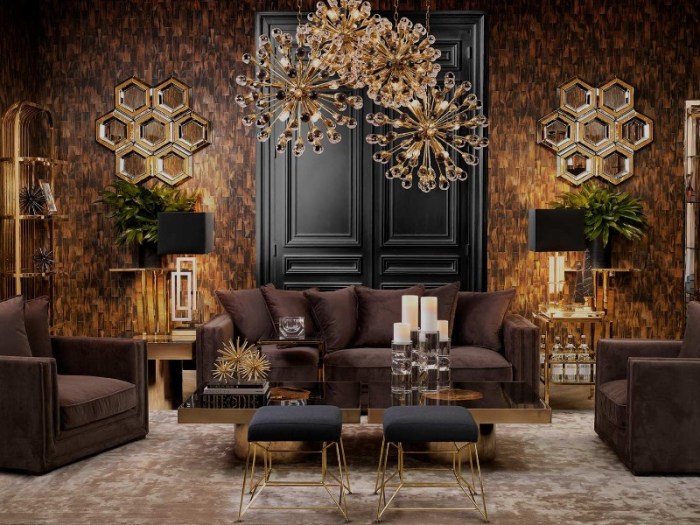
Luxury furniture comes in various styles, each with its own unique characteristics and design elements. Two popular styles of luxury furniture are modern and classic designs.
Modern Luxury Furniture
Modern luxury furniture is known for its sleek and minimalist design. It often features clean lines, geometric shapes, and a focus on functionality. Some iconic modern luxury furniture designers include:
Le Corbusier
Known for the LC series, including the LC4 Chaise Lounge.
Mies van der Rohe
Famous for the Barcelona Chair and the Brno Chair.
Eero Saarinen
Recognized for the Tulip Chair and the Womb Chair.
Classic Luxury Furniture
Classic luxury furniture, on the other hand, is characterized by ornate detailing, rich materials, and timeless elegance. Some renowned classic luxury furniture designers and their signature pieces are:
Thomas Chippendale
Known for the Chippendale Chair and the Chippendale Mirror.
Louis XVI
Famous for the Louis XVI Chair and the Louis XVI Bed.
Michael Thonet
Recognized for the Thonet Chair No. 14, also known as the Vienna Coffee House Chair.
Influence of Culture and History on Luxury Furniture Designs
Culture and history play a significant role in shaping luxury furniture designs. For example, Italian luxury furniture often reflects the country's rich artistic heritage and craftsmanship. French luxury furniture, on the other hand, is influenced by the elegant and opulent style of the French monarchy.
Additionally, Asian luxury furniture may incorporate traditional motifs and materials that reflect the cultural heritage of the region.
Features and Functionality
Luxury furniture is renowned for seamlessly combining aesthetics with functionality, offering not only visually stunning pieces but also practical solutions for everyday living. The design of luxury furniture goes beyond just appearance, focusing on creating pieces that are both beautiful and highly functional.
Innovative Features in High-End Luxury Furniture
Luxury furniture often incorporates innovative features that enhance the user experience and elevate the overall design. From built-in technology like USB charging ports and wireless charging capabilities to hidden storage compartments and adjustable components, high-end luxury furniture is designed to provide convenience and luxury in one package.
- Integrated LED lighting systems for ambient lighting control
- Motion sensors for automated adjustments and comfort
- Remote-controlled mechanisms for reclining or adjusting seating positions
- Smart home integration for voice-controlled operation
- High-quality materials like Italian leather, exotic woods, and premium fabrics
Ergonomic Considerations in Luxury Furniture Design
In addition to innovative features, luxury furniture also prioritizes ergonomic considerations to ensure maximum comfort and support for users. Ergonomics play a crucial role in the design of luxury furniture, with attention to details like seat depth, cushion firmness, and lumbar support to promote proper posture and reduce strain on the body.
- Customizable options for personalized comfort settings
- High-density foam padding for long-lasting comfort
- Adjustable headrests and armrests for optimal support
- Curved and contoured shapes to follow the natural curves of the body
- Pressure-relieving materials for enhanced relaxation
Trends in Luxury Furniture
Luxury furniture design is constantly evolving to meet the changing needs and preferences of consumers. In recent years, several key trends have emerged that are shaping the future of the industry. From sustainability to technology integration, color palettes, textures, customization, and personalization, the luxury furniture market is experiencing a significant shift towards innovation and uniqueness.
Sustainability and Technology Integration
The demand for sustainable and eco-friendly luxury furniture is on the rise as consumers become more environmentally conscious
Color Palettes and Textures
Color palettes and textures play a crucial role in defining the aesthetic appeal of luxury furniture. Currently, there is a trend towards incorporating bold and vibrant colors, as well as unique textures like velvet and leather, to create a luxurious and sophisticated look.
Mixing different materials and finishes is also a popular design choice to add depth and visual interest to furniture pieces.
Customization and Personalization
Customization and personalization have become key drivers in the luxury furniture market, allowing consumers to create bespoke pieces that reflect their individual style and preferences. From selecting fabrics and finishes to adjusting dimensions and features, customers now have the opportunity to tailor furniture to suit their specific needs.
This trend towards personalized design is reshaping the industry and highlighting the importance of creating truly unique and personalized spaces.
Luxury Furniture Materials
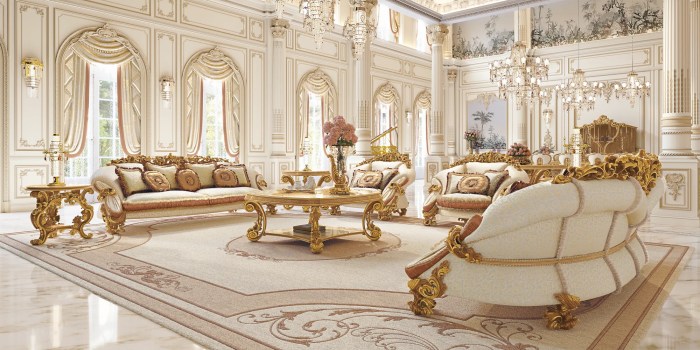
When it comes to luxury furniture, the materials used play a crucial role in defining the quality, durability, and aesthetic appeal of the pieces. Premium materials such as marble, leather, and exotic woods are commonly found in luxury furniture collections, exuding opulence and sophistication.
Marble
Marble is a highly sought-after material in luxury furniture due to its timeless beauty and elegance. It is durable, resistant to scratches and heat, making it ideal for use in high-end furniture pieces. However, marble requires regular maintenance to prevent staining and etching, making it more high-maintenance compared to other materials.
Leather
Leather is another popular material used in luxury furniture, known for its luxurious look and feel. It is durable, ages beautifully, and adds a sense of warmth and richness to any space. While leather furniture is relatively easy to maintain, it requires regular cleaning and conditioning to prevent drying and cracking.
Exotic Woods
Exotic woods such as mahogany, rosewood, and teak are often used in luxury furniture for their unique grain patterns and rich colors. These woods are sturdy, long-lasting, and add a touch of exclusivity to furniture pieces. However, they may require special care and maintenance to preserve their natural beauty and prevent damage.
Sustainability Practices
Many luxury furniture brands are now focusing on sustainability and ethical sourcing of materials. They are using responsibly harvested woods, eco-friendly finishes, and recycled materials to create environmentally conscious pieces. By promoting sustainability practices, these brands are not only reducing their environmental impact but also contributing to a more sustainable future for the furniture industry.
Luxury Furniture for Different Spaces
When selecting luxury furniture for different spaces in your home, it is essential to consider the specific needs and style of each area. The right furniture can enhance the functionality and aesthetics of a room, creating a luxurious and cohesive design.
Living Rooms
Living rooms are often the focal point of a home, where family and guests gather for relaxation and entertainment. When choosing luxury furniture for a living room, consider pieces that are both stylish and comfortable. Opt for high-quality sofas, elegant coffee tables, and luxurious accent chairs to create a welcoming and sophisticated atmosphere.
Bedrooms
Bedrooms are personal sanctuaries where comfort and relaxation are key. When selecting luxury furniture for a bedroom, focus on pieces that promote rest and rejuvenation. Invest in a plush bed with a stylish headboard, elegant dressers and nightstands, and cozy seating options to create a luxurious retreat.
Dining Areas
Dining areas are spaces where families and friends come together to enjoy meals and create memories. When choosing luxury furniture for a dining area, opt for a statement dining table, comfortable chairs, and elegant storage solutions. Consider the size of the space and the number of people you typically entertain when selecting dining furniture.
Outdoor Spaces
Outdoor spaces have become extensions of indoor living areas, providing opportunities for relaxation and entertaining. When selecting luxury furniture for outdoor spaces, choose durable materials that can withstand the elements. Invest in stylish outdoor seating, dining sets, and accessories to create a luxurious and inviting outdoor oasis.
Investment Value of Luxury Furniture
Luxury furniture is not only a statement of style and sophistication but also a valuable investment that can retain its worth over time. Understanding the factors that contribute to the investment potential of high-end luxury furniture pieces is essential for making informed purchasing decisions and maximizing their long-term value.
Additionally, knowing how to properly care for and maintain luxury furniture is crucial in preserving its value and ensuring it remains in top condition for years to come.
Factors Contributing to Investment Potential
- Quality Craftsmanship: High-quality materials and expert craftsmanship contribute to the durability and longevity of luxury furniture, making it a worthwhile investment.
- Brand Reputation: Luxury furniture from reputable brands often holds its value better due to the brand's reputation for quality and design excellence.
- Rarity and Exclusivity: Limited edition or rare pieces of luxury furniture can appreciate in value over time, especially if they become sought after by collectors.
- Timeless Design: Classic and timeless designs tend to hold their value better than trendy or overly unique pieces that may go out of style quickly.
Caring for and Maintaining Luxury Furniture
- Regular Cleaning: Dusting and cleaning luxury furniture regularly with appropriate products can help prevent damage and maintain its appearance.
- Protective Measures: Using coasters, placemats, and furniture covers can help protect luxury furniture from scratches, spills, and other forms of damage.
- Professional Maintenance: Periodic professional inspections and maintenance can address any issues early on and prevent more significant damage or wear over time.
- Proper Storage: Storing luxury furniture in a climate-controlled environment away from direct sunlight can help preserve its finish and prevent warping or discoloration.
Final Review
In conclusion, luxury furniture transcends mere decor to become a statement of timeless elegance and investment value. With a focus on quality, innovation, and personalization, luxury furnishings continue to inspire and delight, enriching homes with a touch of grandeur and refinement.
Top FAQs
What sets luxury furniture apart from regular furniture?
Luxury furniture is known for its exceptional quality, exquisite craftsmanship, and use of premium materials, elevating it to a level of sophistication that regular furniture cannot match.
How do I choose the right luxury furniture for my space?
Consider the style, size, and function of the piece in relation to your existing decor, ensuring that it complements the overall design aesthetic while adding a touch of luxury.
Are there specific maintenance requirements for luxury furniture materials?
Yes, different materials like marble, leather, and exotic woods require specific care to maintain their beauty and longevity, so it's important to follow manufacturer's guidelines for maintenance.
Can luxury furniture be customized to suit individual preferences?
Many luxury furniture brands offer customization options, allowing customers to tailor pieces to their liking in terms of materials, finishes, and even dimensions for a truly personalized touch.
Is luxury furniture a good investment?
High-quality luxury furniture pieces are often considered valuable investments due to their enduring quality, timeless design, and potential for appreciation in value over time.